[Get the best value polish plastic on Amazon today!]
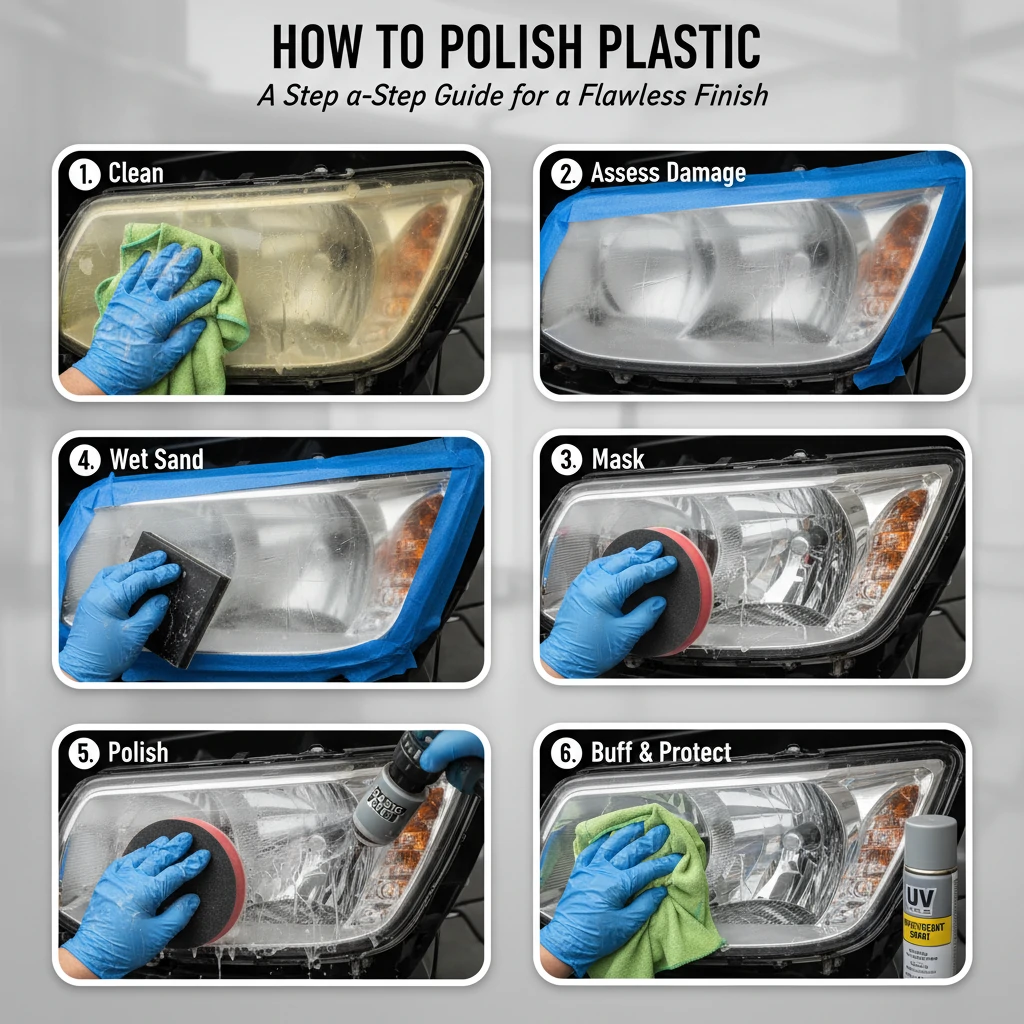
# How to Polish Plastic: A Step-by-Step Guide for a Flawless Finish
Want to bring that dull, scratched plastic back to life? You’ve come to the right place! Polishing plastic might seem intimidating, but it’s actually a straightforward process that anyone can master. This guide will walk you through each step, ensuring you achieve a flawless finish and restore your plastic items to their former glory. Whether it’s a scratched phone screen, a hazy headlight, or a scuffed piece of furniture, we’ll show you how to *polish plastic* like a pro.
[Browse top-rated polish plastic on Amazon]
## Step 1: Gather Your Supplies
Before you begin, it’s essential to have all the necessary materials at hand. This will streamline the process and prevent any frustrating interruptions. Here’s what you’ll need to effectively *polish plastic*:
* **Clean Microfiber Cloths:** These are crucial for applying polish and buffing the plastic surface without causing further scratches. Avoid using paper towels, as they can leave behind fibers and potentially scratch the plastic.
* **Plastic Polish:** Choose a polish specifically designed for plastic. Automotive plastic polishes work well for many applications. We’ll recommend a good one later!
* **Water:** Clean water is needed for rinsing the plastic surface before and after polishing.
* **Mild Soap (Optional):** If the plastic is particularly dirty, a mild soap can help remove grime and grease.
* **Masking Tape (Optional):** If you’re polishing a specific area of the plastic, masking tape can protect adjacent surfaces.
* **Sandpaper (Various Grits – Optional):** For deep scratches, you might need to start with fine-grit sandpaper (2000-3000 grit) and work your way up. *Only use sandpaper if absolutely necessary!*
[Browse top-rated polish plastic on Amazon]
## Step 2: Clean the Plastic Surface
A clean surface is essential for effective polishing. Dirt and debris can get trapped under the polishing cloth and cause further scratches. Follow these steps to thoroughly clean the plastic:
1. **Rinse with Water:** Begin by rinsing the plastic surface with clean water to remove loose dirt and debris.
2. **Wash with Mild Soap (Optional):** If the plastic is greasy or heavily soiled, wash it with a mild soap and water solution. Gently scrub the surface with a soft cloth or sponge.
3. **Rinse Again:** Thoroughly rinse the plastic surface with clean water to remove all traces of soap.
4. **Dry Completely:** Use a clean microfiber cloth to dry the plastic surface completely. Ensure there are no water spots or streaks.
[Browse top-rated polish plastic on Amazon]
## Step 3: Apply the Plastic Polish
Now that the plastic is clean and dry, it’s time to apply the *plastic polish*. Follow these steps:
1. **Apply a Small Amount:** Place a small amount of *plastic polish* onto a clean microfiber cloth. A little goes a long way, so start with a dime-sized amount.
2. **Gently Rub in Circular Motions:** Gently rub the polish onto the plastic surface using small, circular motions. Apply even pressure and work in a small area at a time.
3. **Continue Polishing:** Continue polishing the entire surface, applying more polish as needed. Avoid applying excessive pressure, as this can potentially damage the plastic.
[Browse top-rated polish plastic on Amazon]
## Step 4: Buff the Plastic Surface
After applying the *plastic polish*, it’s time to buff the surface to remove any residue and reveal the shine.
1. **Use a Clean Microfiber Cloth:** Use a clean, dry microfiber cloth to buff the plastic surface.
2. **Buff in Circular Motions:** Buff the surface using small, circular motions. Apply moderate pressure and work in a small area at a time.
3. **Continue Buffing:** Continue buffing the entire surface until all polish residue is removed and the plastic is clear and shiny.
[Browse top-rated polish plastic on Amazon]
## Step 5: Inspect and Repeat (If Necessary)
Once you’ve buffed the plastic surface, inspect it carefully to ensure that all scratches and imperfections have been removed. If necessary, repeat steps 3 and 4 to achieve the desired result. For deeper scratches, you may need to use sandpaper, but proceed with caution!
[Browse top-rated polish plastic on Amazon]
## Step 6: (Optional) Sanding Deep Scratches
**WARNING: This step is only for *deep* scratches and should be done with extreme care. If you’re not comfortable with sanding, skip this step!**
1. **Wet Sanding:** Use very fine-grit sandpaper (2000-3000 grit) and wet sand the scratched area. Keep the sandpaper and plastic surface constantly wet to prevent scratching.
2. **Gentle Pressure:** Apply very gentle pressure and sand in small, circular motions.
3. **Work Your Way Up:** Gradually work your way up through finer grits of sandpaper (e.g., 5000 grit, 7000 grit) until the scratches are minimized.
4. **Clean and Polish:** After sanding, thoroughly clean the plastic surface and *polish plastic* as described in steps 3 and 4. This is crucial to restore the clarity and shine.
[Browse top-rated polish plastic on Amazon]
## Tools for the Job: Recommended Products
Choosing the right *plastic polish* can make all the difference. Here’s a product we recommend and why it’s effective:
* **Meguiar’s PlastX Clear Plastic Cleaner & Polish:** This polish is specifically designed for clear plastics and is excellent for removing light scratches, haze, and yellowing.
* **Key Features:**
* **Micro Abrasive Technology:** Gently removes surface imperfections without scratching.
* **Restores Clarity:** Improves the clarity and transparency of plastic surfaces.
* **Easy to Use:** Simple to apply and buff off with a microfiber cloth.
* **Why We Like It:** Meguiar’s PlastX is a reliable and effective *plastic polish* that consistently delivers excellent results. Its micro-abrasive technology ensures that it won’t damage the plastic while effectively removing scratches and haze. It’s also readily available and affordable. Plus, it works great on headlights!
[Browse top-rated polish plastic on Amazon]
## Pro-Tips / FAQ Section
Here are some additional tips and answers to common questions about *polishing plastic*:
* **What if the scratches are too deep?** If the scratches are extremely deep, sanding may be necessary. However, proceed with caution and use the finest grit sandpaper possible. If you’re not comfortable sanding, it’s best to consult a professional.
* **Can I use household cleaners to polish plastic?** Avoid using harsh household cleaners, as they can damage the plastic surface. Always use a *plastic polish* specifically designed for the material.
* **How often should I polish plastic?** The frequency of polishing depends on the use and exposure of the plastic item. For items that are frequently handled or exposed to the elements, polishing every few months may be necessary.
* **What about polishing colored plastic?** The same principles apply to polishing colored plastic. However, it’s important to test the polish on an inconspicuous area first to ensure that it doesn’t affect the color.
* **Can I use a polishing machine?** Yes, you can use a polishing machine with a soft foam pad to *polish plastic*. However, be sure to use a low speed and avoid applying excessive pressure.
[Browse top-rated polish plastic on Amazon]
## Encouraging Conclusion
Congratulations! You’ve now learned how to *polish plastic* and restore its flawless finish. With the right tools and techniques, you can easily remove scratches, haze, and imperfections from your plastic items and keep them looking their best. Remember to be patient and gentle, and always test the polish on an inconspicuous area first. Now go forth and transform that dull plastic into something shiny and new!
[Check the latest prices and deals for polish plastic on Amazon today!]